
Fisena
No Result
View All Result
  • Home
  • News
  • Debt & Credit
    • Debt Payoff Strategies
    • Improving Your Credit
    • Loans & Mortgages
    • Understanding Credit Scores
  • Investing for Beginners
    • Cryptocurrency
    • ETFs & Index Funds
    • Retirement Planning
    • Robo-Advisors
    • Stock Market Basics
  • Personal Finance 101
    • Banking Basics
    • Budgeting Methods
    • Financial Goals
    • Net Worth Tracking
  • Saving & Frugality
    • Actionable Saving Tips
    • Emergency Fund
    • Frugal Living
    • High-Yield Savings Accounts
  • Wealth Creation
    • FIRE Movement
    • Money Mindset
    • Passive Income Streams
    • Side Hustle Ideas
  • Home
  • News
  • Debt & Credit
    • Debt Payoff Strategies
    • Improving Your Credit
    • Loans & Mortgages
    • Understanding Credit Scores
  • Investing for Beginners
    • Cryptocurrency
    • ETFs & Index Funds
    • Retirement Planning
    • Robo-Advisors
    • Stock Market Basics
  • Personal Finance 101
    • Banking Basics
    • Budgeting Methods
    • Financial Goals
    • Net Worth Tracking
  • Saving & Frugality
    • Actionable Saving Tips
    • Emergency Fund
    • Frugal Living
    • High-Yield Savings Accounts
  • Wealth Creation
    • FIRE Movement
    • Money Mindset
    • Passive Income Streams
    • Side Hustle Ideas
No Result
View All Result
Fisena
No Result
View All Result
Home Investing for Beginners Cryptocurrency

What is Proof-of-Work vs Proof-of-Stake? A Beginner’s Guide to Blockchain Consensus Mechanisms

fisena by fisena
August 15, 2025
Reading Time: 3 mins read
0
What is Proof-of-Work vs Proof-of-Stake? A Beginner’s Guide to Blockchain Consensus Mechanisms


Introduction

Hey there! 🎉 If you’re a recent graduate—perhaps just starting to manage your first salary—you’re likely feeling a mix of excitement and overwhelm when it comes to financial matters. The world of blockchain technology and cryptocurrencies can be particularly confusing, especially with terms like Proof-of-Work and Proof-of-Stake floating around.

Don’t worry! In this article, I’ll break down these concepts in a simple, relatable way so you can gain confidence in your understanding of blockchain. By the end, you’ll know what distinguishes these two consensus mechanisms and how they impact the cryptocurrencies you may be interested in.

Let’s dive in!


Section 1: What is Consensus Mechanism?

Before we tackle the specifics of Proof-of-Work and Proof-of-Stake, let’s first understand what a consensus mechanism is.

In simple terms, a consensus mechanism is like a set of rules that help everyone in a group agree on something. Think of it as a group project in school where you all need to agree on a topic to present. In the realm of blockchain, the “group” is made up of all users participating in the network. These mechanisms ensure that everyone agrees on the state of the blockchain (like what transactions are valid).

Why It’s Important:

  • Security: Prevents fraud
  • Stability: Keeps the network running smoothly
  • Trust: Builds confidence among users


Section 2: What is Proof-of-Work?

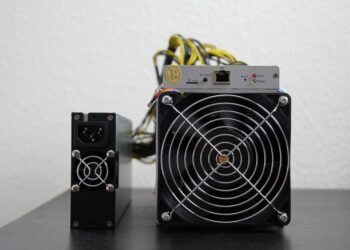
Proof-of-Work (PoW) is like a competitive race where participants (miners) solve complex mathematical problems to verify transactions on the blockchain.

How It Works:

  1. Solving Problems: Miners compete to solve complex puzzles. The first one to solve it gets to add a new block of transactions to the blockchain.
  2. Rewards: The winning miner earns cryptocurrency as a reward. Think of it as being paid for completing a challenging assignment first!

Pros and Cons:

  • Pros:

    • Highly secure and decentralized
    • Proven track record (used by Bitcoin)

  • Cons:

    • Energy-intensive (like running a marathon!)
    • Slower transaction speeds


Section 3: What is Proof-of-Stake?

In contrast, Proof-of-Stake (PoS) is more like joining a club where members who hold a certain amount of currency can validate transactions based on their stake.

How It Works:

  1. Stake Your Coins: Instead of solving puzzles, participants lock up a portion of their coins to become validators.
  2. Random Selection: Validators are chosen at random to verify transactions. Your chances improve if you hold more coins, but it’s not a guarantee.

Pros and Cons:

  • Pros:

    • More energy-efficient (no need for puzzle-solving)
    • Faster transaction times

  • Cons:

    • Less proven than PoW (newer systems)
    • RELATED POSTS

      Are You Ready? The Hidden Risks of Investing in Cryptocurrency Explained

      Is Cryptocurrency a Smart Investment? 5 Essential Questions to Consider

      Should I Invest in Cryptocurrency? 7 Common Fears and How to Overcome Them

    • May lead to centralization if only wealthy players dominate


Section 4: Choosing Between PoW and PoS

So, which should you lean towards? Both methods have their strengths and weaknesses. Here’s a quick comparison:

Feature Proof-of-Work Proof-of-Stake
Energy Usage High Low
Security Very High High
Transaction Speed Slower Faster
Accessibility Requires hardware Requires holding coins


Conclusion & Call to Action

Congratulations! 🎉 You now have a basic understanding of what is Proof-of-Work vs Proof-of-Stake, and how these consensus mechanisms function within blockchain technology.

Key Takeaways:

  • Consensus mechanisms are essential for agreement in blockchain networks.
  • PoW is secure but energy-heavy, while PoS is efficient but less proven.
  • Both have unique pros and cons, influencing their use in various cryptocurrencies.

Feeling empowered? Great! As a small, actionable step, consider exploring a cryptocurrency wallet where you can start exploring PoW and PoS coins. It’s a simple way to dip your toes into this exciting world!

Remember, you’re not alone in this journey—take it one step at a time, and soon enough, you’ll feel right at home in the world of finance! 💪

ShareTweetPin
fisena

fisena

Smart Money Tips to Save More and Budget Better.

Related Posts

Are You Ready? The Hidden Risks of Investing in Cryptocurrency Explained
Cryptocurrency

Are You Ready? The Hidden Risks of Investing in Cryptocurrency Explained

February 9, 2026
Is Cryptocurrency a Smart Investment? 5 Essential Questions to Consider
Cryptocurrency

Is Cryptocurrency a Smart Investment? 5 Essential Questions to Consider

February 8, 2026
Should I Invest in Cryptocurrency? 7 Common Fears and How to Overcome Them
Cryptocurrency

Should I Invest in Cryptocurrency? 7 Common Fears and How to Overcome Them

February 7, 2026
Are You Using the Right Hardware Wallet? Discover the Best Options for 2025
Cryptocurrency

Are You Using the Right Hardware Wallet? Discover the Best Options for 2025

February 6, 2026
How to Choose the Best Hardware Wallet: A Step-by-Step Guide
Cryptocurrency

How to Choose the Best Hardware Wallet: A Step-by-Step Guide

February 5, 2026
How to Choose the Best Crypto Wallet: Hot Wallets vs. Cold Wallets Explained
Cryptocurrency

How to Choose the Best Crypto Wallet: Hot Wallets vs. Cold Wallets Explained

February 4, 2026
Next Post
The Ultimate Guide: How to Compare Robo-Advisors for Your Investment Needs

The Ultimate Guide: How to Compare Robo-Advisors for Your Investment Needs

How to Invest in Leveraged ETFs: A Beginner’s Guide to Targeting Maximum Returns

How to Invest in Leveraged ETFs: A Beginner's Guide to Targeting Maximum Returns

Leave a Reply Cancel reply

Your email address will not be published. Required fields are marked *

Recommended Stories

How to Maximize Your Savings: A Guide to the Best High-Yield Savings Account Rates

How to Maximize Your Savings: A Guide to the Best High-Yield Savings Account Rates

September 19, 2025
What Is a Scalable Business Model? A Comprehensive Guide to Success in Entrepreneurship

What Is a Scalable Business Model? A Comprehensive Guide to Success in Entrepreneurship

August 13, 2025
10 Essential Tips for Tracking Net Worth in Excel Like a Pro

10 Essential Tips for Tracking Net Worth in Excel Like a Pro

October 17, 2025

Popular Stories

  • 10 Proven Strategies on How to Improve Financial Health Today

    10 Proven Strategies on How to Improve Financial Health Today

    0 shares
    Share 0 Tweet 0
  • What is Dollar-Cost Averaging? A Beginner’s Guide to Smart Investing

    0 shares
    Share 0 Tweet 0
  • What Is a Credit Score? A Complete Beginner’s Guide to Understanding Your Financial Health

    0 shares
    Share 0 Tweet 0
  • How to Invest in Real Estate with ETFs: A Comprehensive Beginner’s Guide

    0 shares
    Share 0 Tweet 0
  • How to Effectively Break Down Long-Term Goals into Short-Term Steps for Success

    0 shares
    Share 0 Tweet 0
  • Home
  • News
  • Debt & Credit
  • Investing for Beginners
  • Personal Finance 101
  • Saving & Frugality
  • Wealth Creation
  • Disclaimer
  • Privacy Policy
  • Terms of Service
hello@fisena.com

© 2025 Fisena - Smart Money Tips to Save More and Budget Better.

No Result
View All Result
  • Home
  • News
  • Debt & Credit
    • Debt Payoff Strategies
    • Improving Your Credit
    • Loans & Mortgages
    • Understanding Credit Scores
  • Investing for Beginners
    • Cryptocurrency
    • ETFs & Index Funds
    • Retirement Planning
    • Robo-Advisors
    • Stock Market Basics
  • Personal Finance 101
    • Banking Basics
    • Budgeting Methods
    • Financial Goals
    • Net Worth Tracking
  • Saving & Frugality
    • Actionable Saving Tips
    • Emergency Fund
    • Frugal Living
    • High-Yield Savings Accounts
  • Wealth Creation
    • FIRE Movement
    • Money Mindset
    • Passive Income Streams
    • Side Hustle Ideas

© 2025 Fisena - Smart Money Tips to Save More and Budget Better.

Are you sure want to unlock this post?
Unlock left : 0
Are you sure want to cancel subscription?