Hey there! If you’re a recent university graduate, aged 22-25, and you just snagged your first paycheck, congratulations! 🎉 However, I know you might feel a bit overwhelmed about where to start with your finances. The world of cryptocurrency can feel even more confusing, so it’s completely normal to have questions like: “What is crypto mining?” Don’t worry; you’re not alone!
In this article, we’ll dive into the basics of crypto mining and break it down into easy-to-understand sections. By the end, you’ll have a solid grasp of the concept and how it might fit into your financial journey. Ready? Let’s jump in!
What is Crypto Mining?
Before we dive deeper, let’s clarify what crypto mining really is. In simple terms, crypto mining is the process by which transactions are verified and added to a blockchain, the digital ledger that underpins cryptocurrencies like Bitcoin. Think of it like a group of people working together to verify a batch of transactions, ensuring that everyone plays fair and that the records are accurate!
Section 1: The Basics of Blockchain
To understand crypto mining, it’s essential first to grasp what a blockchain is:
- Definition: Imagine a digital notebook where transactions are recorded in blocks, linked together in a chain. Each block contains a group of transactions verified by miners.
- Security: Since this notebook is decentralized, it’s nearly impossible for anyone to cheat. Once a block is added, it can’t be changed without altering all subsequent blocks.
Section 2: The Role of Miners
So, who are these miners? Here’s what you need to know:
- Job Description: Miners are like digital accountants. They use powerful computers to solve complex mathematical puzzles that verify transactions (more on those puzzles in a bit!).
- Reward System: As compensation for their work, miners earn cryptocurrency. This not only incentivizes them to maintain the ledger but also increases the total supply of the currency.
Section 3: The Mining Process
Now that we know who miners are, let’s break down how mining works:
- Transaction Requests: When someone wants to send cryptocurrency, that transaction is broadcasted to the blockchain network.
- Puzzle Solving: Miners compete to solve a cryptographic puzzle related to that transaction—imagine each puzzle being unique and complex, requiring brainpower and computer energy.
- Verification: The first miner who solves the puzzle adds the block of transactions to the blockchain and broadcasts it to others, who verify the block.
- Earning Rewards: The successful miner receives cryptocurrency, and the entire network confirms the legitimacy of the transactions.
Section 4: Mining Hardware and Software
Let’s talk about what you’d need to start mining if you’re interested:
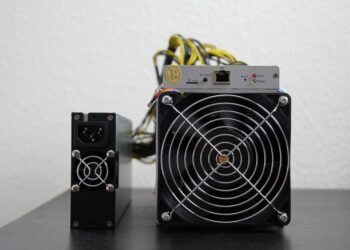
- Hardware: Mining requires specialized computers known as ASICs (Application-Specific Integrated Circuits) that are built specifically for mining. Think of them like super-efficient calculators designed for solving puzzles.
- Software: You’ll also need software to connect your hardware to the blockchain network. Many options are available, from beginner-friendly to more advanced software.
Section 5: The Environmental Impact
It’s important to note that mining has raised environmental concerns due to its energy consumption. A few things to consider:
- Energy Use: Mining requires a lot of electricity, similar to the energy consumption of an entire country!
- Alternatives: Some newer cryptocurrencies use less energy-intensive methods to validate transactions, such as Proof of Stake. This could be a more environmentally friendly option if you’re looking into crypto investments.
Conclusion & Call to Action
So there you have it—a beginner’s guide to understanding what crypto mining is! You’ve learned about blockchain, the role of miners, the mining process, and some of the tools involved.
Key Takeaways:
- Crypto mining helps verify transactions on a blockchain.
- Miners earn rewards for solving complex puzzles.
- Be mindful of the environmental impact and stay informed on alternatives.
Feeling a bit more empowered? Remember, it’s perfectly fine to start small. Here’s your small actionable step:
Research one cryptocurrency that interests you and learn about its mining process. This can help you clarify what you value in digital assets and how you might incorporate them into your financial future.
Keep pushing forward, and don’t hesitate to ask questions along the way. The world of finance and crypto is vast, but with curiosity and perseverance, you’ll find your footing. Happy exploring! 🚀