Hey there! If you’re a recent university graduate aged 22-25, you’ve just received your first paycheck and are likely feeling a mix of excitement and overwhelm about your finances. You’re not alone—many people your age struggle with figuring out where to invest and how to start building wealth.
Today, we’re diving into a topic that could add some serious value to your financial journey: altcoins! By the end of this article, you’ll not only understand what altcoins are but also how they fit into the broader world of cryptocurrency—and maybe even find a spark of interest that could turn into a smart investment strategy.
What Are Altcoins?
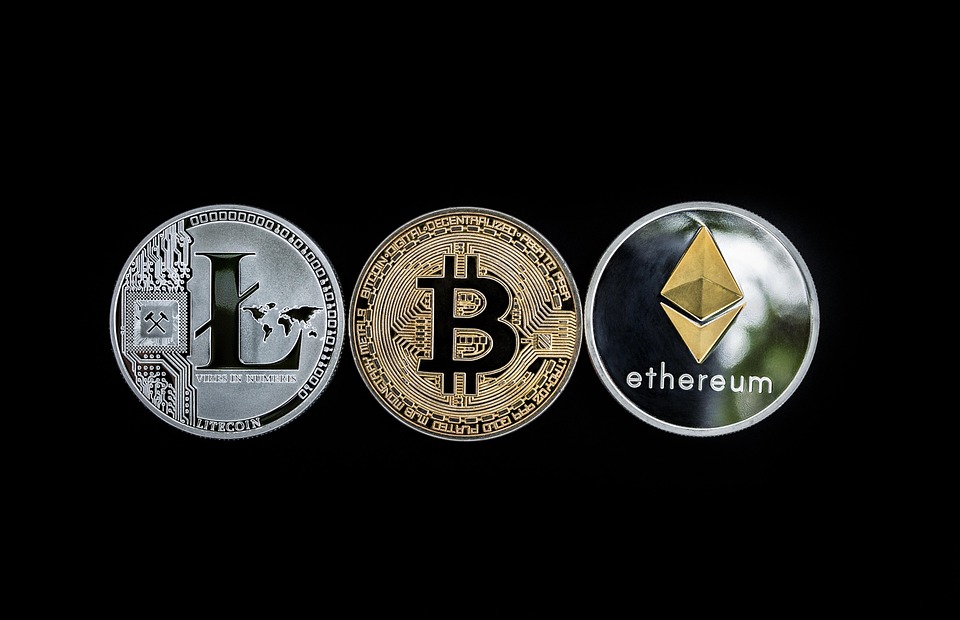
To put it simply, altcoins are any cryptocurrency that isn’t Bitcoin. The name combines “alternative” and “coin,” suggesting that these cryptocurrencies offer some alternatives to Bitcoin, which is the biggest and most well-known digital currency. While Bitcoin can be seen as digital gold, altcoins try to fill various niches and offer different features or functionalities.
Section 1: The Importance of Altcoins
Why Should You Care About Altcoins?
-
Diversification:
- Just like investing in a variety of stocks can reduce your risk, investing in different altcoins can offer similar benefits in the cryptocurrency world.
-
Innovation:
- Many altcoins aim to solve specific problems. For example, some focus on privacy, while others may prioritize transaction speed or smart contracts—think of these as the app developers of the crypto world!
-
Potential Gains:
- While Bitcoin has a significant established value, many altcoins have more room to grow. Just remember, higher potential means higher risk.
Section 2: Types of Altcoins
What Kinds of Altcoins Are There?
-
Tokens vs. Coins:
- Coins are independent cryptocurrencies with their own blockchains (e.g., Ethereum, Litecoin).
- Tokens operate on existing blockchains and can serve various purposes like utility or governance.
-
Stablecoins:
- These are pegged to a stable asset like the U.S. dollar (e.g., USDT, USDC) and are less volatile, making them great for preserving value.
-
Utility Tokens:
- Used to access services within a particular platform (e.g., Binance Coin for trading fees on Binance).
-
Governance Tokens:
- These give holders voting rights on the future of a particular project, allowing you a say in its direction.
Section 3: How to Get Started with Altcoins
Where to Begin Your Altcoin Journey?
-
Research:
- Start by reading reputable resources and exploring platforms like CoinMarketCap or CoinGecko to get a sense of the various altcoins available.
-
Choose a Reliable Exchange:
- Pick a user-friendly cryptocurrency exchange where you can buy and sell altcoins easily. Popular ones include Coinbase, Binance, and Kraken.
-
Start Small:
- As a beginner, consider investing a small amount you’re comfortable with—think of it as your “learning investment.” This helps minimize anxiety while you learn.
-
Stay Updated:
- Follow cryptocurrency news sites, join forums, and follow influencers on social media. Staying in the loop can help inform your decisions.
Conclusion & Call to Action
In summary, altcoins represent a wide array of cryptocurrencies that offer various benefits beyond what Bitcoin provides. Whether you’re looking for diversification, innovative technology, or opportunities for growth, altcoins offer options worth considering.
Don’t let financial overwhelm hold you back. Take this small, actionable step today: pick one altcoin that catches your eye and do a little research on it. This small act can be the first step toward feeling more confident in your financial journey.
You’ve got this! Happy investing!