Introduction
Hey there, future financial whizzes! If you’re a recent university graduate, aged 22-25, who has just received your first paycheck, it’s completely normal to feel a bit overwhelmed about where to invest that hard-earned cash. You might have heard that investing in stocks is a smart way to grow your wealth, but looking at a stock chart can seem like decoding an ancient language.
Don’t worry! In this article, we’ll break down the basics of stock charts in a way that makes sense. By the end, you’ll not only understand what they are but also how to read and analyze them like a pro! This knowledge will help reduce that anxious feeling when thinking about investing and set you on a path to building healthy financial habits.
What is a Stock Chart?
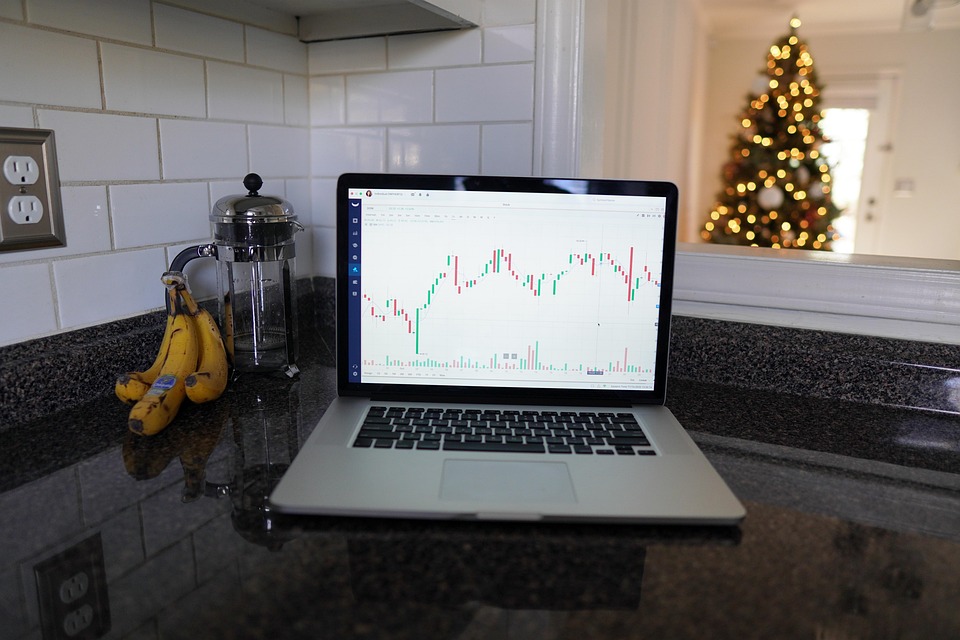
A stock chart is a visual representation of a stock’s performance over time. Think of it like a photo album of a stock’s journey, capturing ups and downs on its road to success. It shows data such as
- Price movements
- Volume (the number of shares traded)
- Time frame (how far back you’re looking)
Section 1: Understanding the Axes
The first thing to look at on any stock chart is the axes.
-
Vertical Axis (Y-Axis): This typically shows the price of the stock. Imagine this as the price tag at a store. It tells you how much the stock costs at any given time.
-
Horizontal Axis (X-Axis): This shows the time. Whether it’s days, months, or years, it’s your timeline for the stock’s performance. Think of it like a calendar that tracks the stock’s history.
By looking at these two axes together, you can get an instant sense of how the price of a stock has changed over time.
Section 2: Patterns and Trends
Now that you know about the axes, it’s time to explore patterns and trends. Think of these as the stock’s story—the narrative that tells you where it’s been and where it might be heading.
-
Bullish Trend: If the price is generally rising, congratulations! This is called a bullish trend. Picture a bull charging forward—this represents optimism in the stock’s future.
-
Bearish Trend: If the price is declining, it’s a bearish trend. Visualize a bear lumbering backward; this usually indicates hesitance or fear in the market.
-
Sideways Trend: Sometimes, stocks kind of hover—neither gaining nor losing much value. This is when they’re in a range, and traders often need to be patient during this phase.
Recognizing these trends can help you make informed decisions about when to buy or sell stocks.
Section 3: Candlestick Patterns
Let’s talk about candlestick patterns! They look like little candles (hence the name) and tell you a lot about that day’s trading.
-
Each candlestick shows a summary of the stock price over a certain time period (e.g., a day).
-
If the candlestick is filled (often red), it means the stock closed lower than it opened. If it’s hollow (often green), it means the stock closed higher.
Key Patterns to Know:
- Doji: This looks like a cross and indicates indecision. It’s a sign that you might want to wait and see what happens next.
- Hammers: Resembling a hammer’s shape, this indicates a potential reversal from a bearish to a bullish trend.
By spotting these, you’re adding powerful tools to your investing toolbox!
Section 4: Volume
Volume is the often-overlooked hero of stock charts. It tells you how many shares are being traded.
-
High Volume: This means a lot of people are interested in that stock. Think of a popular concert where tickets are flying off the shelves!
-
Low Volume: If not many shares are being traded, it may signal that investors are hesitant—kind of like a quiet bookstore on a rainy day.
Understanding volume can help confirm whether the trend you see on the chart is likely to continue.
Conclusion & Call to Action
And there you have it! You’ve just had a crash course in reading and analyzing stock charts. Here are the key takeaways:
- Understand the axes to grasp price and time.
- Look for trends—bullish, bearish, and sideways—to know the stock’s direction.
- Learn candlestick patterns to better gauge market sentiment.
- Pay attention to volume to confirm trends.
You’ve got this! Remember, starting your investing journey is all about learning and growing.
Now, take a small but actionable step. Look up a stock chart for a company you like and try to identify what you learned today! The more you practice, the more confident you’ll become.
Happy investing! 🚀