Hey there! If you’re a recent university graduate, aged 22-25, and just landed your first job, congratulations! This is such an exciting time, but it can also feel a bit overwhelming, especially when it comes to financial decisions—like where to invest your hard-earned money. One topic that might have caught your attention is cryptocurrency, and more specifically, altcoins.
So, what is an altcoin? In this article, we’re going to break down altcoins, what they are, and why they might matter in your financial journey. By the end, you’ll have a clear understanding, which can help reduce any financial anxiety and help you build healthy habits early on.
What is an Altcoin?
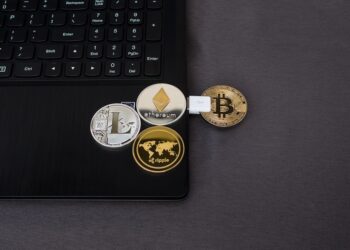
Altcoins are basically any cryptocurrency that isn’t Bitcoin. Think of Bitcoin as the original flavor of ice cream—vanilla, if you will—with altcoins being the many exciting flavors that have come after. Just like how there are different ice creams to suit different tastes, altcoins offer various functions, perks, and possibilities in the world of cryptocurrency.
Why Does It Matter?
Understanding altcoins is significant for a few reasons:
- Diversity: Just like having a varied diet is important, diversifying your investments can reduce risk.
- Potential Returns: Some altcoins have had massive returns. Just like finding a new favorite flavor, discovering the right altcoin can be rewarding.
- Innovation: Many altcoins bring new technologies and solutions to the table, making them interesting options.
Let’s break down altcoins further to see what this world has to offer.
Section 1: Types of Altcoins
Altcoins can be divided into several categories:
-
Tokens: These are issued on existing blockchains, like Ethereum. They often have specific uses, like access to a service or voting rights in a project.
-
Coins: Separate cryptocurrencies like Ethereum (ETH) and Litecoin (LTC) can be used for transactions. Think of coins as the alternative currencies in the cryptocurrency world.
-
Stablecoins: These are pegged to traditional currencies like the U.S. Dollar. They aim to keep their value stable, making them a safer option.
-
Utility Coins: Designed for specific functions within a platform, such as connecting users or paying for services.
Understanding these types can help you choose the right altcoin based on your interests and financial goals.
Section 2: Evaluating Altcoins
Here are some practical steps to evaluate altcoins:
-
Research: Look up the team behind the coin. Are they credible? Do they have a good track record?
-
Use Case: Does the altcoin solve a problem or offer something unique? Just like a new kitchen gadget, it should make life easier or better.
-
Market Trends: Monitor market trends to see if the coin is gaining traction. Tools like CoinMarketCap can help track performance.
-
Community Support: A vibrant community means there’s interest and investment in the project. Look for forums or social media groups.
By taking these steps, you can make a more informed choice about where to put your money.
Section 3: Risks of Altcoins
Just like any investment, altcoins come with risks, including:
-
Volatility: Prices can skyrocket or plummet quickly. It’s a bit like riding a rollercoaster—exciting but nerve-wracking!
-
Scams: Unfortunately, some altcoins may not be legitimate. Always do your research to avoid falling victim to scams.
-
Market Saturation: With thousands of altcoins available, it can be easy to get lost. Stick to those that are well-documented and backed by solid research.
By being aware of these risks, you can navigate the altcoin market more confidently.
Conclusion & Call to Action
Understanding what an altcoin is and why it matters can be the first step toward empowering yourself financially. Remember:
- Explore different types of altcoins.
- Take the time to evaluate them thoroughly.
- Be mindful of the risks involved.
Don’t fret too much if it feels overwhelming. Just take it one step at a time!
Action Step: Right now, start by picking one altcoin to research. Use resources like cryptocurrency news sites, online communities, or market analysis tools. The more you learn, the more confident you’ll become in your financial journey.
You’ve got this! 🚀