Hey there! If you’re a recent university graduate, aged 22-25, and have just landed your first job, congratulations! 🎉 This is an exciting time in your life, but it can also feel overwhelming, especially when it comes to managing your finances. You might be wondering how to tackle that student loan or credit card debt that’s been hanging over your head. Don’t worry—I’ve got your back!
In this article, we’ll dive into the debt avalanche method explained in a simple, accessible way. You’ll learn what it is, how it works, and whether it’s the right fit for you. By the end, you’ll feel more confident about taking control of your debts and building a healthy financial future.
The Common Problem: Debt Stress
Many young adults entering the workforce carry student loans or credit card debt. This financial pressure can lead to anxiety and confusion about where to start. Understanding how to tackle debt can sometimes seem like deciphering a foreign language. But with the right strategies, you can take charge!
What is the Debt Avalanche Method?
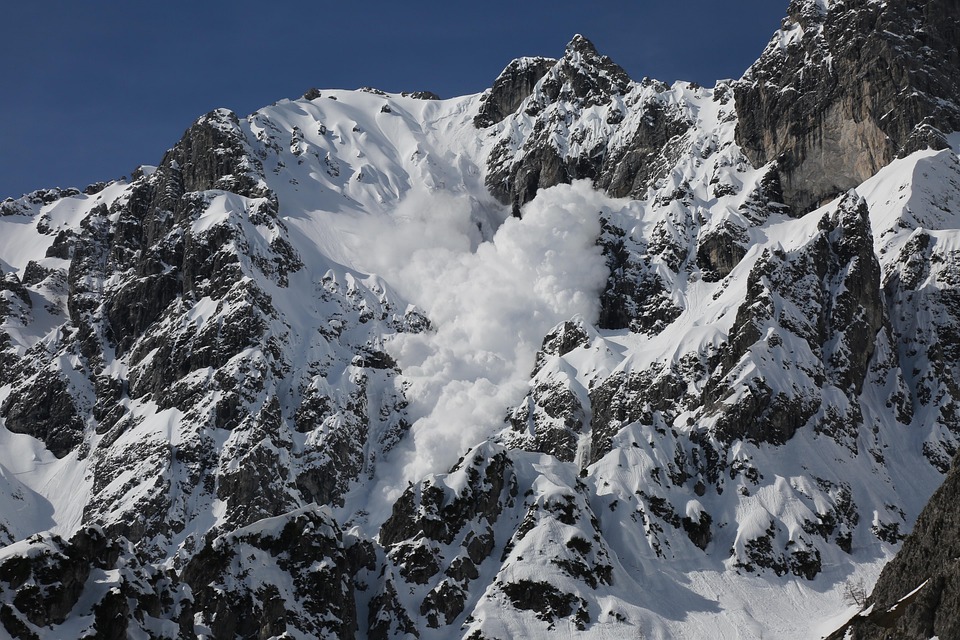
Before we get into whether the debt avalanche method is right for you, let’s break it down. Imagine you have a mountain of debt. The debt avalanche is like taking the shortest and steepest path to the top. Instead of spreading your money thin over all debts, you focus on paying off the highest-interest debts first. This method can save you money in the long run by reducing interest payments.
Why Choose the Debt Avalanche Method?
- Saves Money: As mentioned, this method prioritizes debts with the highest interest rates, which means less money paid in the long run.
- Faster Debt Repayment: By focusing on one debt at a time, you can eliminate debts more quickly, which helps you stay motivated.
- Builds Financial Discipline: Committing to one strategy helps cultivate healthy financial habits.
Section 1: Understanding Your Debts
Before jumping into the avalanche strategy, you need to gather all your debt information. Here’s how:
- List out your debts: Include the total amount owed, interest rates, and minimum monthly payments for each.
- Organize them: Sort them from the highest interest rate to the lowest. This list will be your roadmap to financial freedom.
Section 2: Creating Your Budget
A budget is your best friend when it comes to debt repayment! Here’s how to create one that works for you:
- Calculate your income: Understand your monthly earnings.
- Track your expenses: List essentials like rent, groceries, and utilities. Don’t forget the non-essentials, too!
- Identify savings: Determine how much you can allocate each month toward debt repayment.
- Adjust as necessary: Cut back on non-essentials if needed.
Section 3: Implementing the Debt Avalanche Method
Now that you have your list and budget, it’s time to start paying down your debts!
- Focus on the highest interest rate debt: Make minimum payments on all other debts, then allocate any extra funds to the highest-rate one.
- Celebrate small wins: Whenever you pay off a debt, take a moment to celebrate. Treat yourself (affordably) for your hard work!
- Stay consistent: Stick to your repayment plan. Setting up automatic payments can help maintain your progress without the temptation to skip a month.
Section 4: Explore Additional Resources
As you embark on this journey, consider utilizing resources to assist you:
- Apps & Tools: Use budgeting apps to visualize your finances.
- Financial Counseling: Consider speaking with a financial advisor if you feel lost.
- Debt Support Groups: Online communities can offer support and motivation.
Conclusion & Call to Action
Congratulations on taking the first steps toward managing your finances! Remember, the debt avalanche method can be a powerful tool in your financial toolkit.
Key Takeaways:
- Understanding your debts is crucial.
- A solid budget helps guide your payments.
- Consistency and patience are key to success.
Ready to take action? Start by listing your debts today! You’ve got this—taking that first step is always the hardest but brings you one step closer to financial freedom.