Hey there! If you’re a recent graduate in your early 20s who just landed your first job, congratulations! 🎉 It’s an exciting time, but it can also feel a bit overwhelming trying to figure out how to manage your money. One of the big questions you might have is: Can I have my emergency fund in a CD?
Don’t worry; you’re not alone! In this article, we’ll break it all down for you in a way that’s easy to understand. You’ll learn what a Certificate of Deposit (CD) is, how it can fit into your emergency fund strategy, and whether it’s the right choice for you. Let’s dive in!
What is a Certificate of Deposit (CD)?
Before we get to the nitty-gritty, let’s clarify what a CD is. Imagine you put your money in a safe for a set amount of time—usually several months to a few years—and in exchange, you get a little bit of interest. This is essentially how a CD works. You deposit your money, and in return, the bank promises to pay you interest over time. However, the catch is that you can’t easily access your money without penalties until that time period (or “term”) is over.
Considering a CD for Your Emergency Fund
Section 1: Understanding Emergency Funds
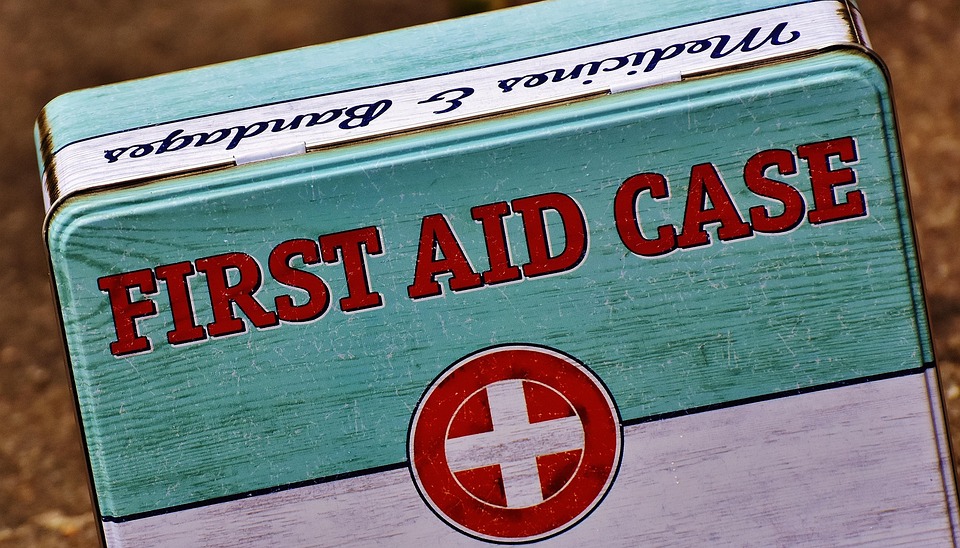
An emergency fund is a stash of cash you keep for unexpected expenses like medical emergencies, car repairs, or job loss. Typically, financial experts recommend saving three to six months’ worth of living expenses.
Why it Matters:
- Provides Security: It helps you feel secure knowing you have money set aside.
- Avoids Debt: It prevents you from having to rely on credit cards or loans when life throws a curveball.
Section 2: Pros of Using a CD for Your Emergency Fund
Now, let’s talk about the potential benefits of keeping your emergency fund in a CD:
- Higher Interest Rates: CDs usually offer better interest rates compared to regular savings accounts. That means your money could grow faster!
- Security: Since CDs are typically insured by the FDIC (up to $250,000), your money is relatively safe.
- Discipline: The fixed term of a CD may help you resist the temptation to dip into your emergency fund for non-emergencies.
Section 3: Cons of Using a CD for Your Emergency Fund
However, there are downsides to consider:
- Limited Access: If you need your money quickly, you’ll face penalties for withdrawing early. This could be a big issue in a true emergency.
- Inflation Risk: If inflation rises faster than your CD’s interest rate, your money could lose purchasing power over time.
- Fixed Term: Once you place money in a CD, it’s locked in for a specified term, which might not align with your needs.
Section 4: Alternatives to CDs for Emergency Funds
If a CD doesn’t seem right for you, here are some alternatives:
- High-Yield Savings Accounts: These accounts usually have lower interest rates than CDs but offer easier access to your funds.
- Money Market Accounts: Similar to high-yield savings but sometimes offering check-writing privileges.
- Regular Savings Accounts: Though they offer lower interest rates, you can easily withdraw funds without penalties.
Conclusion & Call to Action
To sum it up, while a CD can offer benefits like higher interest rates and safety, it may not be the best fit for your emergency fund if you need quick access to your cash. Before making a decision, weigh the pros and cons based on your personal financial situation.
Remember: It’s perfectly okay to take your time figuring this out! Building a healthy financial habit starts small.
Action Step:
Take a moment today to assess your current savings strategy. Consider opening a high-yield savings account or planning a small deposit for a CD if you feel comfortable with the terms. Take care of your financial future—it’s worth it!