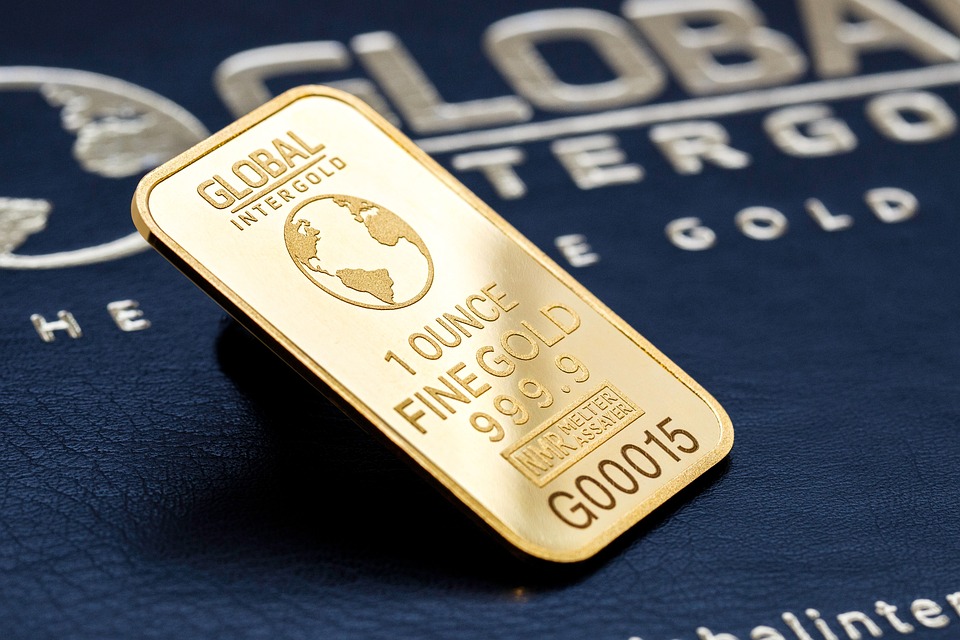
Hey there! If you’re a recent university graduate, aged 22-25, who’s just landed your first job, congratulations! This is an exciting time! 🎉 But hey, with that first paycheck comes a whole new world of decisions, especially about how to make your money grow. Feeling a bit overwhelmed? You’re not alone. Many young professionals feel a mix of excitement and anxiety when it comes to financial management.
Today, we’re diving into the world of investing in commodities for beginners. By the end of this article, you’ll have a clearer understanding of what commodities are, why they can be a valuable addition to your investment strategy, and how to get started—even on a tight budget. Let’s jump in!
What Are Commodities?
Before we go any further, let’s clarify what we mean by commodities. Think of them as basic goods used in commerce that are interchangeable with other goods of the same type. Examples include gold, oil, soybeans, and coffee. You might not realize it, but commodities play a huge role in our daily lives and can be a profitable investment option!
Step 1: Understand Why to Invest in Commodities
1. Diversification
One of the key principles of investing is diversification—spreading your investments across a variety of asset types to reduce risk. Commodities often move independently of stocks and bonds, which means they can help stabilize your portfolio during market fluctuations. Think of it like adding toppings to your pizza; a variety ensures it’s balanced and tasty! 🍕
2. Hedge Against Inflation
Commodities can serve as a hedge against inflation. When prices rise, the value of physical goods like gold typically increases too. This means that by investing in commodities, you’re protecting your purchasing power over time. Imagine your money is a balloon; commodities help you keep that balloon inflated, even when external factors try to pop it!
Step 2: Explore Different Types of Commodities
1. Hard Commodities
These are natural resources that are mined or extracted. Common examples are metals (like gold, silver, and copper) and energy sources (like oil and gas).
Tips:
- Great for protection against economic downturns.
- Values often rise during global economic unrest.
2. Soft Commodities
These are agricultural products that are grown rather than mined. Think of coffee, sugar, wheat, and cotton.
Tips:
- Prices can be influenced by seasonal factors and environmental conditions.
- They offer unique opportunities for profits, especially if you watch trends in consumption!
Step 3: How to Start Investing in Commodities
1. Open an Investment Account
To dip your toes into the commodity waters, you’ll need an investment account. Look for one that offers low fees and a user-friendly platform.
2. Consider ETFs and Mutual Funds
If you’re not ready to buy physical commodities, consider Exchange-Traded Funds (ETFs) or mutual funds that invest in commodities. This is like getting a mixed bag of snacks instead of just one type—you still get variety without the hassle!
3. Stay Informed
Follow market trends and stay updated on global events. Commodities are influenced by many factors, including weather patterns, trade policies, and economic data.
Conclusion & Call to Action
Congratulations! You’re now equipped with the basics of investing in commodities for beginners. Remember:
- Diversification can reduce your risk.
- Commodities can act as a hedge against inflation.
- Start with an investment account and explore ETFs or mutual funds.
Your financial journey has just begun! 🎉 Take a deep breath and don’t feel pressured to dive in without preparation.
Action Step: Right now, take five minutes to research local investment platforms or apps that allow you to buy ETFs focused on commodities. Bookmark them and plan to explore them later!
You’ve got this! Happy investing! 📈✨