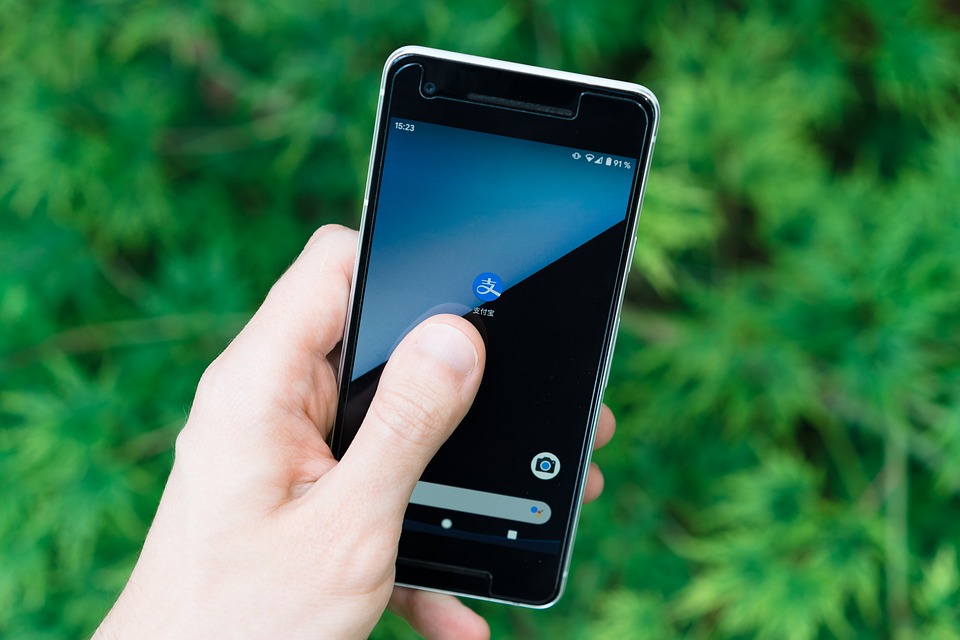
Managing money in today’s digital world can feel overwhelming, especially for young adults who are just starting to take control of their finances. Mobile payment apps promise ease and convenience, but many stumble along the way. Whether you’re new to budgeting, saving, or using these handy apps, avoiding common pitfalls is crucial for building healthy money habits.
In this guide, we’ll explore 7 common mistakes new users make with mobile payment apps and how to sidestep them, empowering you to navigate your financial journey with confidence.
1. Ignoring Security Features
Problem: Many users overlook the importance of security settings when setting up their mobile payment apps. This can lead to unauthorized transactions or breaches.
Solution: Always enable two-factor authentication (2FA), set strong passwords, and regularly update your app. Taking these steps can significantly reduce the risk of fraud. For example, if you’re using apps like Venmo or Cash App, take advantage of their security features—this might mean linking your account securely or keeping your app updated.
2. Not Keeping Track of Transactions
Problem: It’s easy to forget about small purchases when using mobile payment apps, leading to budget mismanagement and unexpected overdrafts.
Solution: Make it a habit to check your transaction history weekly. Most mobile payment apps let you categorize transactions (dining, shopping, etc.), making it easier to see where your money is going. Keeping tabs on your spending will help you stay aligned with your budget goals.
3. Forgetting About Fees
Problem: Some users assume that all transactions are free. However, certain actions (like instant transfers or currency conversions) may incur fees.
Solution: Familiarize yourself with your app’s fee structure. For instance, Cash App charges for instant deposits, while PayPal has fees for international transactions. Being aware will help you avoid surprises that can disrupt your financial plans.
4. Relying Solely on Mobile Payment Apps for Budgeting
Problem: A common mistake is thinking that using a mobile payment app is enough for managing your finances. These apps are tools, not comprehensive budgeting systems.
Solution: Pair your mobile payment app with an effective budgeting method. Use tools like the 50/30/20 rule (50% needs, 30% wants, 20% savings) or a budgeting app. By combining these strategies, you can create a holistic view of your financial situation.
5. Neglecting to Log Off or Update
Problem: Users often leave their apps logged in or forget to install updates. This can lead to unauthorized access or bugs that compromise functionality.
Solution: Always log out after use, especially on shared devices. Additionally, make it a practice to update your apps regularly. This ensures you benefit from the latest features and security enhancements.
6. Overlooking Customer Support Channels
Problem: New users may hesitate to seek help when they encounter issues, thinking they can sort everything out themselves.
Solution: Familiarize yourself with the customer support channels available on your app. Whether it’s live chat, support tickets, or FAQs, reaching out can save you time and frustration. Don’t hesitate to contact customer service; they’re there to help you navigate problems.
7. Not Setting Payment Limits
Problem: It’s easy to overspend when you can quickly send money to friends or make purchases with just a tap.
Solution: Set spending limits within your mobile payment app. This could be a weekly or monthly cap based on your budget. If your app doesn’t offer this feature, consider setting up reminders or alerts to notify you when you’re close to your spending goals.
Conclusion
As you embark on your financial journey with mobile payment apps, keep these key takeaways in mind:
- Be vigilant about security.
- Track your transactions to avoid overspending.
- Understand the fee structures to prevent surprises.
- Combine budgeting methods for a holistic financial plan.
- Stay updated and logged out for security.
- Utilize customer support when needed.
- Set payment limits to control spending.
Embracing these tips will bolster your financial literacy and encourage healthier money habits. Now, take the first actionable step: download a budgeting template to start mapping out your spending today. Remember, every small step you take builds a strong financial future!