Hey there! If you’ve recently graduated and landed your first job, congratulations! But I totally get it — managing your finances can feel like trying to solve a Rubik’s Cube while blindfolded. You might be wondering how to make your first paycheck stretch until the next one arrives. No worries, you’re not alone!
One common struggle many recent graduates face is budgeting. There are a few common mistakes that can trip you up. In this article, I’ll walk you through these pitfalls and provide practical tips for how to review your budget monthly so you can feel more in control of your finances and build healthy money habits.
Section 1: Not Setting Realistic Goals
One of the biggest mistakes in budgeting is failing to set realistic goals. Sometimes, we can be a bit too ambitious, like planning to save 50% of our paycheck right from the start.
How to Avoid This Mistake:
- Break it Down: Instead of saving a large percentage immediately, start small. Aim for 10% and increase it gradually.
- Use Short and Long-Term Goals: Think about what you want to achieve — an emergency fund, a vacation, or paying off student loans. Set monthly targets and celebrate small wins!
Section 2: Ignoring Variable Expenses
It’s easy to budget for fixed expenses like rent or utilities because they don’t change much. However, variable expenses—like dining out or groceries—can sneak up on you if you neglect to plan for them.
How to Avoid This Mistake:
- Track Your Spending: Keep a log of variable expenses for a month. Use a simple app or even a notepad. This will give you insights on where your money is actually going.
- Create Flexible Categories: Include a category for fun and entertainment in your budget, but keep it realistic. This way, you won’t feel guilty for enjoying life while also sticking to your budget.
Section 3: Overcomplicating Your Budget
Another common mistake is making your budget too complicated with endless categories and spreadsheets. This can lead to frustration and burnout.
How to Avoid This Mistake:
- Keep It Simple: Use a 50/30/20 rule as a guide — 50% for needs, 30% for wants, and 20% for savings or debt repayment. This makes it much easier to manage.
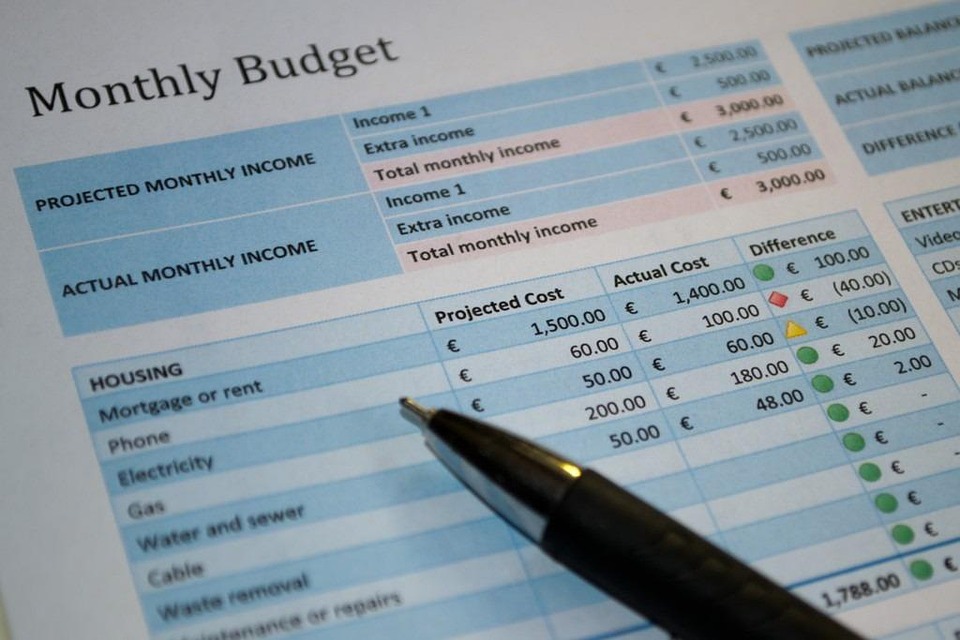
- Review Monthly: During your monthly review, use visuals like pie charts to see where your money goes at a glance. This makes it easy to spot areas needing adjustment.
Section 4: Skipping Monthly Reviews
It’s tempting to set your budget and forget it. But this can lead to overspending and frustration when the month ends and you’re unsure where your money went.
How to Avoid This Mistake:
- Set a Date: Choose a specific day each month to review your budget—like the 1st or 15th, whichever feels right for you.
- Use Checklists: Create a simple checklist for your monthly review, including the following steps:
- Compare Actual Spending to Budget.
- Identify Patterns (What’s working? What’s not?).
- Adjust Categories as needed.
Section 5: Neglecting Emergency Funds
Many first-time budgeters tend to overlook the importance of having an emergency fund. Life throws unexpected expenses our way, like car repairs or medical bills.
How to Avoid This Mistake:
- Prioritize Emergency Savings: Aim to set aside at least $500 to start. You can gradually build it to cover 3-6 months of living expenses.
- Automate Savings: Consider setting up automatic transfers to your savings account as soon as you receive your paycheck. Out of sight, out of mind!
Conclusion & Call to Action
In summary, managing your budget doesn’t have to be overwhelming, and avoiding these five common mistakes will make your journey much smoother. Remember to set realistic goals, account for variable expenses, keep your budgeting simple, conduct regular monthly reviews, and prioritize your emergency fund.
Take a deep breath—you’ve got this! As a small actionable step you can take right now, why not set aside just 10 minutes to jot down a few realistic financial goals for the next month? You’re one step closer to mastering your finances!
Keep pushing forward, and don’t hesitate to reach out if you have any questions. Happy budgeting!